V/F Scalar Control
For fan and pump loads with quadratic torque, the lowest cost to build and commission.
From power device to complete system, we deliver kitting stage by stage — rectifier, bus, inverter, gate drive, sensing, control and protection — with a production-ready set of parts at every level.
The power path from grid to motor, plus the control loop formed by the gate drivers, sensing and the main controller.
The hard part of a drive is never one device — it is matching the whole chain. Bus voltage sets the device voltage class, switching frequency sets loss and cooling, sensing accuracy sets how fast the current loop can run, and drive quality decides whether the device ever reaches its datasheet numbers.
What we do is fill that chain in one go — power devices through our partner fabs' factory channels, gate drive, control and passives kitted to the system requirement, and our engineers involved in topology, thermal design and EMC.
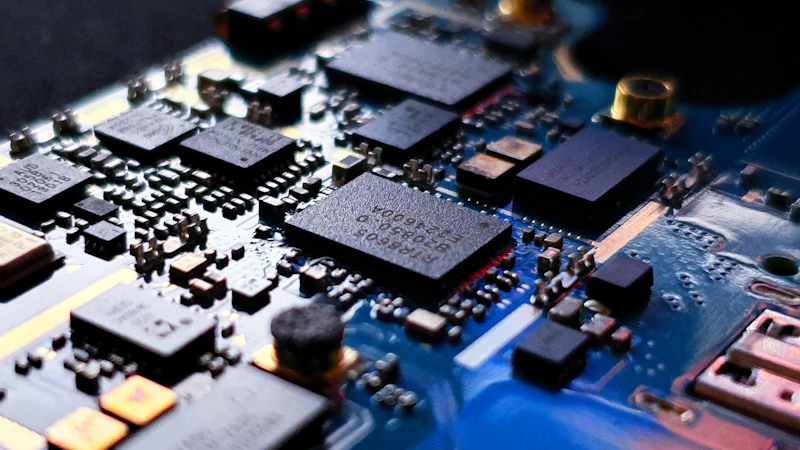
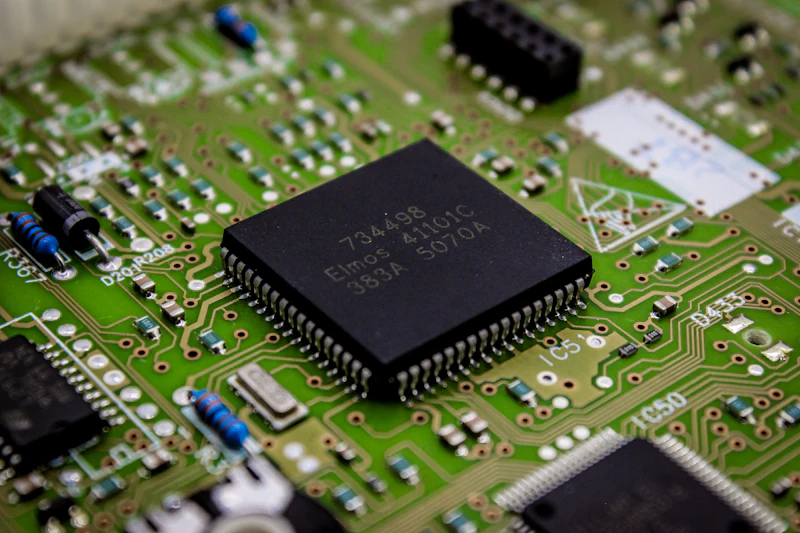
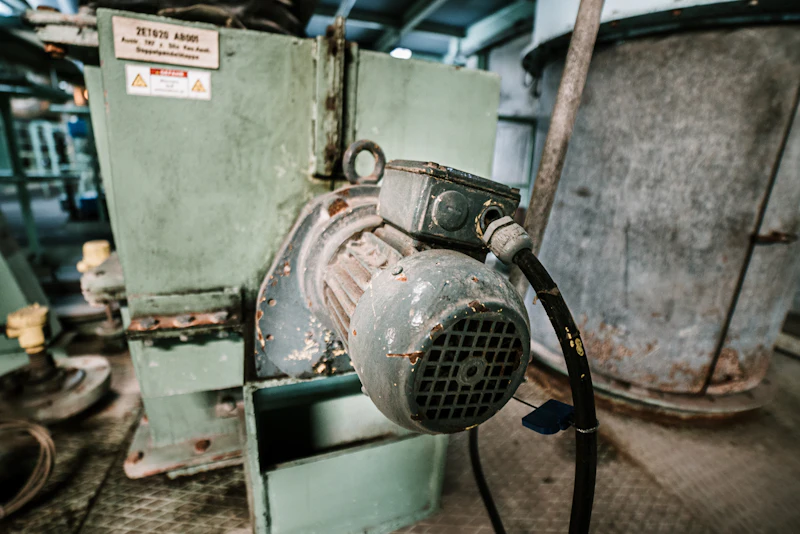
Every group names the product line or partner fab behind it — click through to see the source.
From the grid to the rectifier output — this stage sets EMC behaviour and inrush.
Bus support and snubbing, which directly affect device stress and system life.
The cost and efficiency core of the design, and the main product line of our partner fabs.
Drive quality determines whether the device ever reaches its datasheet performance.
The compute and timing foundation, from scalar control to high performance vector control.
The sensing chain sets the ceiling on current loop accuracy.
The most overlooked part of the system, and the one most likely to cause trouble.
Determines whether the system passes certification and survives in the field.
From a 0.4 kW integrated unit to a 630 kW cabinet drive.
| Power range | Input voltage | Device voltage class | Power stage | Current sensing |
|---|---|---|---|---|
| Power range0.4 — 2.2 kW | Input voltage1-ph 220 V / 3-ph 380 V | Device voltage class650V / 1200V | Power stageIPM or discrete IGBT | Current sensingSingle shunt |
| Power range3.7 — 15 kW | Input voltage3-ph 380 V | Device voltage class1200V | Power stageSix-pack PIM module | Current sensingDual shunt or Hall |
| Power range18.5 — 75 kW | Input voltage3-ph 380 V | Device voltage class1200V | Power stageHalf-bridge IGBT module | Current sensingHall current sensor |
| Power range90 — 250 kW | Input voltage3-ph 380 V / 690 V | Device voltage class1200V / 1700V | Power stageParalleled high current modules | Current sensingHall / fluxgate |
| Power range280 — 630 kW | Input voltage3-ph 690 V | Device voltage class1700V | Power stageParalleled modules with laminated busbar | Current sensingFluxgate sensor |
These are typical engineering values. Actual selection depends on overload factor, switching frequency, ambient temperature and cooling — send us your operating conditions and we will check them.
Control strategy sets what the drive can achieve, and also the cost of the controller and sensing chain.
For fan and pump loads with quadratic torque, the lowest cost to build and commission.
Good low speed torque without an encoder, suited to general industrial loads.
With an encoder, delivers precise speed and torque control — the standard for servo and robot joints.
Fast torque response for shock loads and highly dynamic applications.
Protection strategy and standards have to land on the device at selection time — fixing it later is expensive.
Certification is applied for by the system builder for its target market; we supply compliant parts and the supporting documentation.
Three levels of involvement, matched to your project stage.
We fill your whole BOM — from power devices to passives — under one lead time and batch control.
We join in on topology, device selection, thermal design and EMC, turning datasheet numbers into a manufacturable design.
From prototype to volume ramp, bringing in factory application engineers where needed.
Open any industry for its selection notes and matching parts.
Tell us the power range, input voltage, control method and cost target, and we will come back with a kitting proposal including part numbers, sources and lead times.